
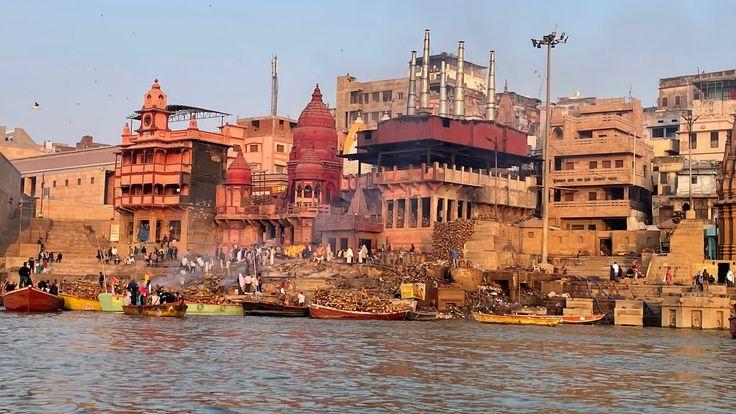
One of India’s oldest and most sacred cremation ghats is Manikarnika Ghat in Varanasi. The core of Varanasi’s belief in life, death, and liberation is represented by Manikarnika, which is renowned for its eternal flame, age-old myths, and profound spiritual significance. In the belief that cremation at Manikarnika results in moksha—freedom from the cycle of rebirth—people from all over India have travelled here for centuries to perform final rites.
To help you grasp the true essence of this potent spiritual site, this guide covers its history, myths, rituals, significance, and travel advice.
What Is Manikarnika Ghat in Varanasi?
Manikarnika Ghat is the most important cremation ghat along the River Ganga. Unlike other ghats in Varanasi, cremations take place here 24 hours a day, symbolizing the eternal cycle of life and death.
It is not just a religious place—it’s a living reminder of the oldest spiritual traditions of India.
History of Manikarnika Ghat
Mythological Origins
Ancient Hindu texts state that Lord Shiva and Goddess Parvati built Manikarnika Ghat. The legend that Parvati’s mani (earring) fell into a kund (pond) at this exact location is where the name “Manikarnika” originates.
Link with Goddess Sati
According to a different legend, this ghat resembles Shakti Peeth because one of Sati’s ornaments fell here when Lord Vishnu used his chakra to cut her burned body into pieces.
The Story of King Harishchandra
King Harishchandra, who was renowned for his honesty, is also connected to the ghat. He spent years working at the cremation site to keep his word, turning this ghat into a symbol of sacrifice and honesty.
Spiritual Significance of Manikarnika Ghat
Belief in Attaining Moksha
Hindus believe that cremation at Manikarnika directly leads to moksha, releasing the soul from the cycle of birth and death.
The Eternal Flame
A sacred flame is kept burning for thousands of years. Every funeral pyre here is lit from this eternal fire, symbolizing the divine connection between life and liberation.
Shiva’s Presence
It is believed that Lord Shiva whispers the Tarak Mantra into the ears of the dying, guiding them toward salvation.
Rituals Performed at Manikarnika Ghat
Cremation Rituals
Families bring their loved ones to this ghat for the final rites. The rituals include:
Bathing the body in the Ganga
Covering with pure cloth
Chanting mantras
Lighting the pyre with the eternal fire
Pind Daan Ritual
Priests perform Pind Daan to help the departed soul attain peace.
Last Rite Offerings
Coconut, Ganga water, sandalwood, and ghee are used in the ceremony as symbols of purification.
Visiting Manikarnika Ghat
A Powerful Spiritual Experience
Visiting this ghat is emotional and enlightening. You witness reality as it is—life, death, and the peace that comes with acceptance.
Respectful Behavior
Tourists should:
Avoid taking photos of cremations
Maintain silence
Respect the families performing last rites
Best View from a Boat
The most respectful and safe way to observe the rituals is during a boat ride on the Ganga.
Best Time to Visit Manikarnika Ghat
Ideal Season
The best time to visit is October to March when the weather is cool and pleasant.
Best Time of Day
Early morning and late evening boat rides offer the best views of the ghat.
How to Reach Manikarnika Ghat in Varanasi
By Road
Take a taxi, auto, or rickshaw to Godowlia or the Old City marketplace and walk through the narrow lanes to reach the ghat.
By Boat
You can hire a boat from Dasaswamedh Ghat for a scenic ride to Manikarnika.
Nearby Attractions to Explore
Kashi Vishwanath Temple
One of the most sacred Shiva temples, located within walking distance.
Dasaswamedh Ghat
Famous for the Ganga Aarti, a must-visit during late evenings.
Manikarnika Kund
The holy pond where Parvati’s jewel is believed to have fallen.
Important Tips for Tourists
-
Be respectful—this is an active cremation site.
-
Avoid photography unless permitted (it is mostly prohibited).
-
Do not accept unsolicited “guide” services.
-
Prefer boat views for safety and respect.
-
Wear simple and modest clothing.