
Assam Travel Guide | LetsGoAndTrip
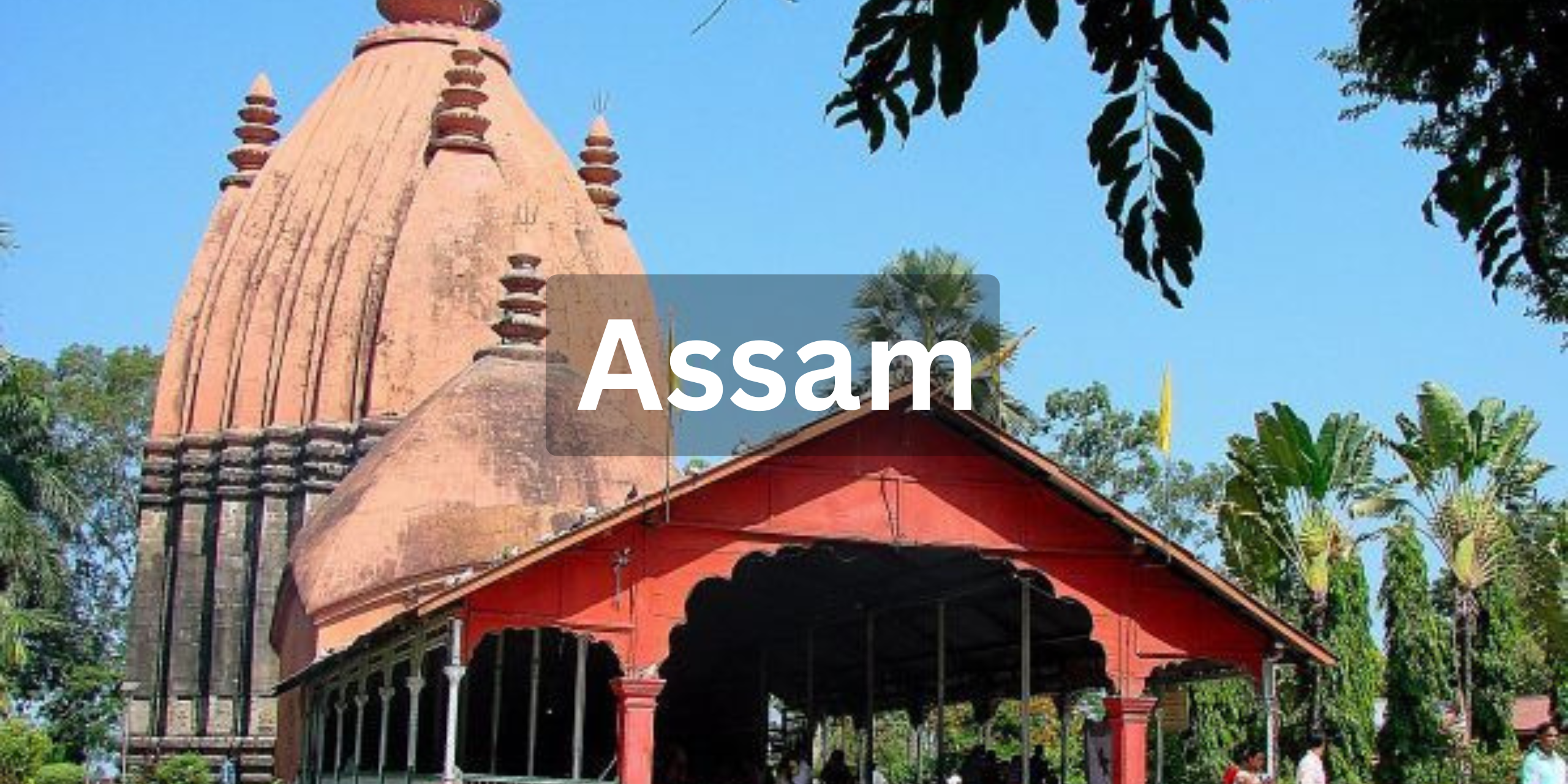
Introduction
Assam Tourism Guide | LetsGoAndTrip brings you an immersive journey into the heart of Northeast India, where rolling tea gardens, mighty rivers, wildlife-rich national parks, and vibrant cultural traditions create an unforgettable travel experience. Assam is a land where nature and heritage blend seamlessly—from the world-famous Kaziranga National Park and the spiritual aura of Kamakhya Temple to the tranquil river island of Majuli and the colonial charm of its tea estates. Whether you’re a wildlife enthusiast, culture seeker, or someone simply looking to unwind in lush green landscapes, this guide will help you explore Assam’s beauty with ease, clarity, and inspiration.
What Makes Assam a Must-Visit Destination?
Assam stands out as a unique travel gem of Northeast India. With breathtaking landscapes, rich biodiversity, and centuries-old traditions, it appeals to nature lovers, adventure seekers, history enthusiasts, and spiritual travelers alike.
Here’s what makes Assam unforgettable:
Home to the world-famous Kaziranga National Park, which shelters two-thirds of the world’s one-horned rhinoceros.
The mighty Brahmaputra River, known for its scenic cruises and island landscapes.
Majuli, the world’s largest river island, full of tribal culture, Satras, and peaceful village life.
Endless tea estates producing globally celebrated Assam tea.
Ancient temples like Kamakhya, drawing pilgrims and spiritual seekers.
A welcoming blend of ethnic communities, delicious cuisine, and colorful festivals.
In this Assam Tourism Guide | LetsGoAndTrip, each section takes you deeper into the wonders of this extraordinary destination.
Best Time to Visit Assam
Winter (October to April) – Best for Tourism
Perfect for wildlife safaris
Pleasant weather for sightseeing
Major festivals like Bihu take place
Summer (April to June)
Warm but ideal for exploring hill towns and tea gardens
Fewer tourists, peaceful environment
Monsoon (June to September)
Lush greenery and dramatic landscapes
Expect heavy rain and occasional roadblocks
Great for photographing nature lovers but requires careful planning
Assamese Culture and Traditions
A key part of the Assam Tourism Guide | LetsGoAndTrip is the cultural richness of Assam.
Ethnic Diversity
Assam is home to many communities like:
Bodo
Mising
Karbi
Dimasa
Ahom
Each tribe has its own festivals, food, attire, and rituals.
Festivals
Assam’s festivals are vibrant, authentic, and full of joy.
Bihu: The biggest festival celebrated with dance and music
Ali-Aye-Ligang: Mising tribal festival
Rongali Bihu: Welcomes the Assamese New Year
Jonbeel Mela: A traditional barter trade fair
Top Attractions in Assam
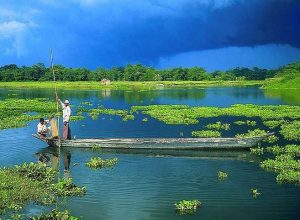
Majuli Island
Where the Brahmaputra nurtures Assam’s culture, spirituality, and peace
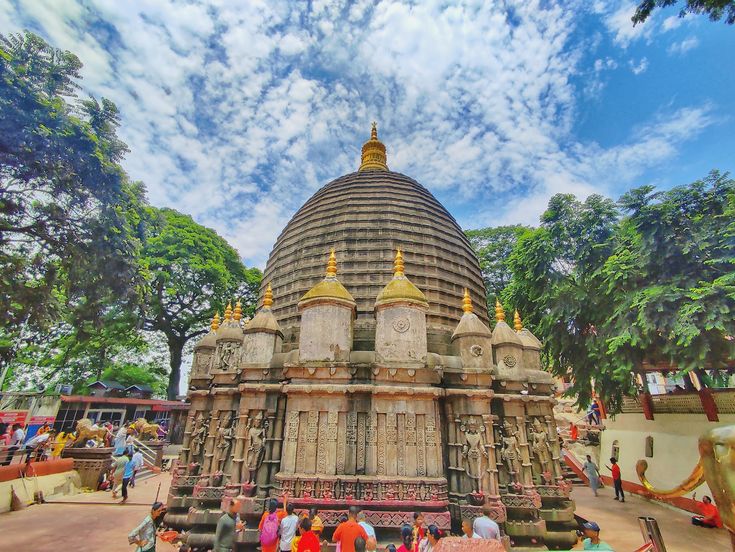
Kamakhya devi
Feel the power of Goddess Shakti atop the serene Nilachal Hills
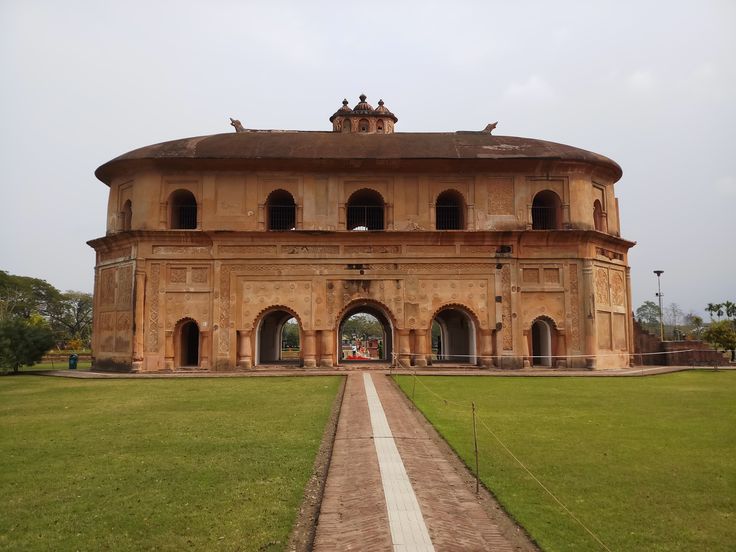
Sivasagar
Where history, architecture, and spirituality merge beautifully together
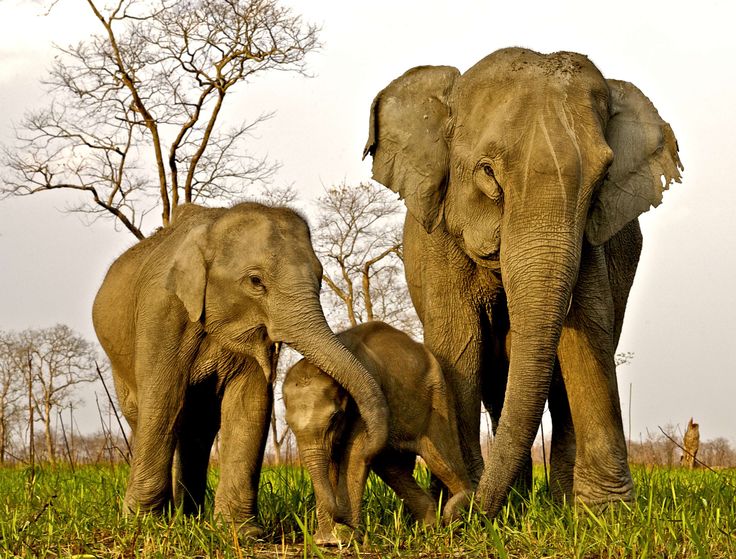
Manas National Park
Where nature thrives freely under the Himalayan sky’s embrace
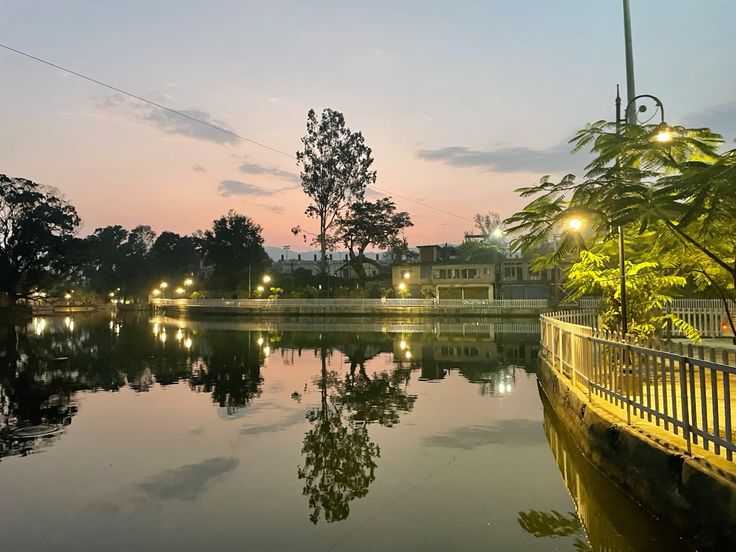
Haflong
Where mountains whisper peace and nature blooms freely

Tezpur
Where history, romance, and the Brahmaputra meet gracefully
Jorhat
where Assam’s tea legacy meets tradition, tranquility, and timeless charm
Hajo
The holy Land, where different religions share one sacred spirit
Food & Cuisine of Assam
Khaar: A unique traditional dish made from banana peel extract, raw papaya, and pulses — mild and soothing, served as the first course.
Masor Tenga: A light, tangy fish curry made with tomatoes, lemon, or elephant apple — one of Assam’s signature dishes.
Duck Curry (Haan Maas): A festive delicacy, slow-cooked with sesame or ash gourd for rich flavor.
Aloo Pitika: Mashed potatoes with mustard oil, onions, and coriander — simple but full of flavor.
Pitha and Laru: Sweet rice cakes and coconut laddoos, prepared during the Bihu festival.
Bamboo Shoot Curry: Popular in tribal cuisine, adding a distinctive aroma and tang to dishes.
Assam Tea: Globally famous for its strong, malty flavor — a must-try beverage from Assam’s lush tea gardens.
Unique Experiences in Assam
1. Wildlife Safaris
Kaziranga, Manas, and Pobitora offer thrilling safari experiences.
2. Tea Garden Trails
Walk through vast tea estates and learn how Assam tea is made.
3. Brahmaputra River Cruises
Enjoy sunset cruises, luxury cruises, and island tours.
4. Village & Tribal Tours
Ideal for travelers wanting authentic cultural interactions and homestays.
Where to stay
Radisson Blu Hotel, Guwahati
A luxury hotel offering modern rooms, fine dining, and city views. Perfect for business or leisure travelers seeking comfort and convenience.
Mayfair Spring Valley Resort, Sonapur
A peaceful resort surrounded by lush greenery and hills. Ideal for families and couples looking for a relaxing getaway near Guwahati.
Royale de Casa Resort, Kaziranga
Located near Kaziranga National Park, it offers cozy cottages and nature views. Great for wildlife lovers and safari travelers.
IORA – The Retreat, Kaziranga
A mid-range resort with modern amenities, gardens, and local cuisine. Perfect for travelers who want comfort close to nature.
Thengal Manor, Jorhat
A heritage tea estate bungalow offering colonial charm and serenity. Great for those who love history, tea, and tranquility.
Haflong Hill Resort, Haflong
Nestled in Assam’s only hill station, it provides scenic views and fresh air. Perfect for nature lovers and peace seekers.
How to reach Assam
By Air:
The main airport is Lokpriya Gopinath Bordoloi International Airport (Guwahati), well connected to major cities like Delhi, Kolkata, Mumbai, and Bengaluru. Other airports include Dibrugarh, Jorhat, and Silchar for regional access.
By Train:
Assam has a strong railway network. Guwahati Railway Station is the major hub, linked to all parts of India. Trains to Dibrugarh, Jorhat, and Silchar are also available.
By Road:
Assam is connected through National Highways and the Brahmaputra Expressway. Regular buses and taxis operate from neighboring states like Meghalaya, Arunachal Pradesh, and West Bengal.
Travel Tips for Assam
Pack light cotton clothes, and warm layers for winters
Keep cash handy for rural regions
Book safari tickets in advance during peak season
Try local cuisine and support local artisans
Visit responsibly—respect nature and local customs
Responsible Travel
Support local artisans and eco-tourism initiatives.
Avoid single-use plastics.
Respect wildlife—no feeding or loud noises in parks.
Take ferries or shared transport to reduce environmental impact.