Kamakhya Temple Story
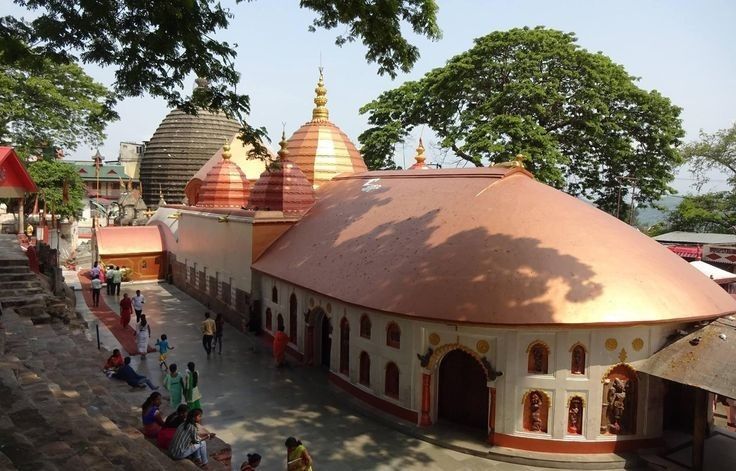
The Kamakhya Temple Story is one of the most powerful and mystical narratives in Hindu mythology. Located atop the Nilachal Hill in Guwahati, Assam, the Kamakhya Temple is among the most revered Shakti Peethas in India. Dedicated to Goddess Kamakhya, the temple symbolizes feminine power, creation, and fertility. Unlike most temples, Kamakhya Temple does not worship an idol but reveres the sacred yoni (womb), making its story unique and deeply spiritual. What is Kamakhya Temple? Kamakhya Temple is one of the most sacred temples in India. It is dedicated to Goddess Kamakhya, a powerful form of Goddess Shakti. Where Is Kamakhya Temple Located? State: AssamCity: GuwahatiLocation: Nilachal HillsNearest Airport: Lokpriya Gopinath Bordoloi International Airport (20 km)Nearest Railway Station: Guwahati Railway Station (8 km) Best Time to Visit: October to April Kamakhya Temple stands atop the scenic Nilachal Hills overlooking the Brahmaputra River, offering a peaceful atmosphere and panoramic views of Guwahati city. The Kamakhya Temple Story – Mythology and Legend The Tale of Goddess Sati and Lord Shiva Hindu mythology states that the temple represents the location where Goddess Sati’s womb and Yoni fell after Lord Vishnu severed her body with his Sudarshan Chakra. The holy Shakti Peethas were created when these pieces fell throughout the Indian subcontinent. Kamakhya is thought to stand for creation, fertility, and female strength. The Unique Ritual of Ambubachi Mela The Ambubachi Mela, which is held every year in June, is the temple’s most well-known event. It represents Goddess Kamakhya’s yearly menstruation, when the temple is closed for three days. Devotees are allowed to go inside following cleaning rites. Millions of pilgrims attend this event, which is frequently referred to as the “Mahakumbh of the East. Why Kamakhya Temple is a Shakti Peetha Kamakhya Temple Story and the Yoni Peetha According to the Kamakhya Temple Story, the yoni (womb) of Goddess Sati fell at the Nilachal Hill. Because of this, Kamakhya Temple is also known as the Yoni Peetha. Unlike other temples: There is no idol of the goddess The temple worships a natural stone yoni A natural spring flows inside the sanctum This makes Kamakhya Temple unique and powerful. Meaning of Goddess Kamakhya Who is Goddess Kamakhya? Goddess Kamakhya represents: Desire Creation Fertility Motherhood In the Kamakhya Temple Story, she is seen as the goddess who fulfills wishes and gives life energy. The name Kamakhya means: Kama – Desire Akhya – Name So, Kamakhya means “the goddess who fulfills desires.” History of Kamakhya Temple Ancient History The original temple is believed to be more than 2000 years old. It was destroyed during invasions and natural disasters. Reconstruction of the Temple The present structure of Kamakhya Temple was rebuilt in the 16th century by King Naranarayan of the Koch dynasty. The temple architecture is a mix of: Nagara style Local Assamese design Kamakhya Temple Story and Tantric Worship Center of Tantra The Kamakhya Temple Story is deeply connected with Tantra. This temple is one of the most important centers of Tantric practices in India. Tantra believes in: Power of the feminine energy Balance between body and mind Spiritual awakening Many Tantric sadhus visit Kamakhya Temple to gain spiritual power. Why Temple Closes During Ambubachi During Ambubachi: No worship is done Farming is stopped Devotees wait for blessings after reopening Inside Kamakhya Temple Sanctum Sanctorum There is a stone yoni A natural water spring flows over it The area is dark and mystical Ambubachi Mela – A Unique Festival Story Behind Ambubachi Mela One of the most famous events related to the Kamakhya Temple Story is Ambubachi Mela. It is believed that: Goddess Kamakhya undergoes menstruation once a year During this time, the temple remains closed for three days After that, the temple reopens with celebrations This festival represents: Fertility Respect for womanhood Power of creation Architecture and Temple Structure Kamakhya Temple showcases a distinctive blend of Hindu, Tantric, and Nilachal architectural styles. Key Architectural Features Beehive-shaped Shikhara (tower) Intricate carvings depicting gods, goddesses, and mythological scenes Garbhagriha (sanctum) with no idol—only a rock fissure worshipped as the Goddess Natural underground spring forming holy water Unlike traditional temples, Kamakhya worship focuses on the Yoni-shaped rock rather than statues. Spiritual Significance of Kamakhya Temple Center of Tantra Worship Kamakhya is considered one of India’s most important centers for Tantric practices. Many Tantric saints and practitioners visit the temple for meditation and rituals. Symbol of Feminine Power The temple honors the divine feminine energy (Shakti) and celebrates the idea of fertility, creation, and womanhood. Must-See Attractions Near Kamakhya Temple Bhubaneswari Temple Located above Kamakhya, offering panoramic views of Guwahati. Umananda Temple A riverside Shiva temple situated on Peacock Island in the Brahmaputra. Assam State Zoo Ideal for family visits and wildlife lovers. Srimanta Sankardev Kalakshetra A cultural center showcasing Assam’s heritage. Travel Tips for Visiting Kamakhya Temple Best Time Visit early morning to avoid long queues. Dress Code Wear modest, comfortable clothing suitable for temple premises. Accessibility The temple involves climbing steps; elderly visitors may use local transport services that drop close to the entrance. Conclusion The Kamakhya Temple is a powerful mix of spiritual energy, tradition, and mythology. It is one of India’s unique pilgrimage sites because of its rich history, famous festivals, and sacred significance. The temple provides an unforgettable journey into ancient Indian spirituality, regardless of your reason for visiting—faith, culture, or history. FAQs- Frequently Asked Questions Q.1 Why is the Kamakhya Temple considered so powerful? The temple is believed to house the Shakti of creation and feminine energy. Devotees believe that worshipping here grants blessings related to fertility, spiritual awakening, protection from negative energies, and fulfillment of desires. Q.2 Is there an idol inside Kamakhya Temple? No. Unlike other temples, Kamakhya Temple does not have a traditional idol. Instead, it houses a natural underground rock cleft symbolizing the Goddess’s womb, which is worshipped as the main deity. Q.3 What is the Kamakhya Temple story?