Author name: Riya Sharma

South India Tour Places
India Travels

South India Tour Places | Lets go and trip

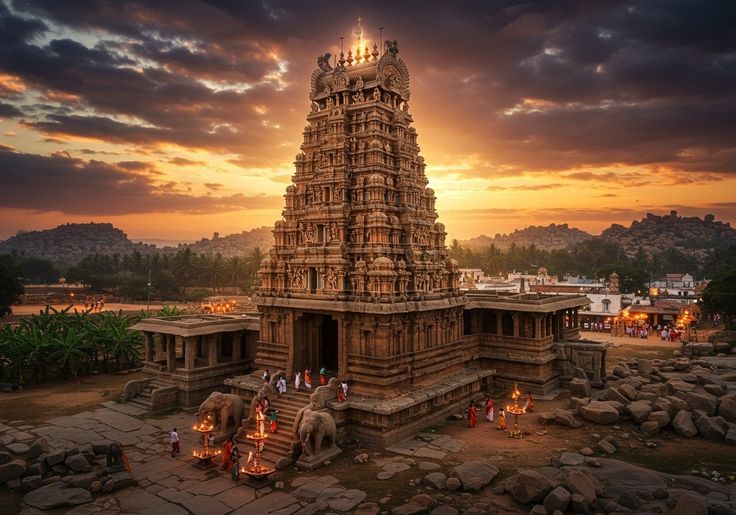
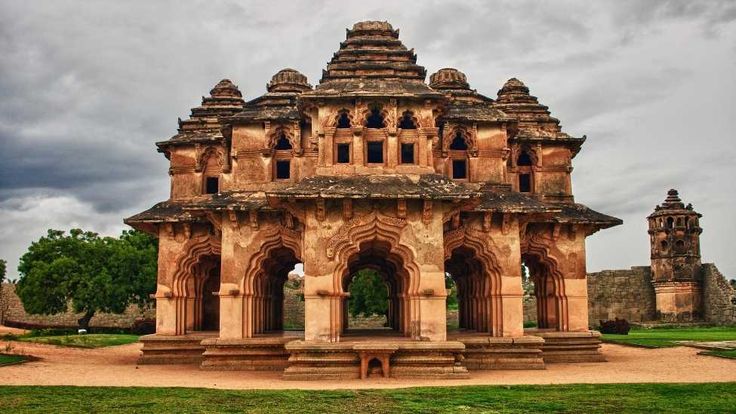
There are many different tourist destinations in South India, including serene backwaters and green hill stations to historic temples and golden beaches. With comprehensive details, travel advice, and must-see sights, this guide will assist you in finding the best South India tour destinations if you wish to see some of India’s most stunning and culturally significant locations. Top South India Tour Places to Visit Kerala God’s Own Country Kerala is one of the most popular South India tour places, known for its scenic landscapes, Ayurvedic therapies, wildlife, and stunning waterways. Alleppey (Alappuzha) – Backwaters & Houseboats Alleppey is world-famous for: Houseboat cruises on serene backwaters Village life experiences Fresh seafood Traditional Kerala culture Best Time to Visit: October to March Munnar – Lush Green Hill Station Munnar offers: Endless tea plantations Viewpoints like Top Station Eravikulam National Park (home to Nilgiri Tahr) Waterfalls and nature trails Perfect for honeymoon couples and nature lovers. Kochi – Culture & History Key attractions: Fort Kochi Chinese fishing nets Jewish Synagogue Kochi Marine Drive Kochi is a blend of colonial charm and modern city life. Tamil Nadu Land of Temples & Heritage Tamil Nadu is the cultural heart of South India, famous for its architecture, festivals, and coastal beauty. Chennai – The Gateway to South India Reasons to visit: Marina Beach (one of the longest urban beaches in the world) Kapaleeshwarar Temple Government Museum Classical dance and arts Ooty – Queen of Hill Stations Located in the Nilgiris, Ooty is known for: Botanical Gardens Ooty Lake Tea and chocolate factories Toy Train (UNESCO heritage) Chilly weather and scenic landscapes make it a favorite for family trips. Rameswaram – One of the Char Dham Rameswaram is sacred for Hindus and attracts tourists for: Ramanathaswamy Temple APJ Abdul Kalam Memorial Dhanushkodi Beach Pamban Bridge A mix of spirituality, beaches, and dramatic landscapes. Karnataka Heritage, Beaches & Hill Stations Karnataka offers a balance of history, nature, wildlife, and coastal charm.   Coorg – Scotland of India Coorg is a paradise with: Coffee plantations Abbey Falls Raja’s Seat Nagarhole National Park Great for romantic getaways and adventure lovers. Mysore – Royal Heritage City Must-visit attractions: Mysore Palace Chamundi Hills Brindavan Gardens Mysore Zoo The city comes alive during the grand Dussera celebrations. Hampi – UNESCO Heritage Site Hampi is famous for: Ancient ruins Stone temples Bouldered landscapes Virupaksha Temple A dream destination for history lovers and photographers. Andhra Pradesh Spirituality & Scenic Beauty Andhra Pradesh is a vibrant state known for rich culture, autiful beaches, temples, and traditions.      Tirupati – Famous Pilgrimage Destination One of the world’s most visited temples: Tirumala Venkateswara Temple Silathoranam Akash Ganga 4.2 Araku Valley – Coffee Capital of South India Araku Valley is known for: Green mountains Tribal culture Borra Caves Coffee plantations A refreshing escape from city life. Pondicherry French-Style Coastal Charm A unique place in South India with colonial influence. Why Visit Pondicherry? Promenade Beach Auroville French cafés & architecture Scuba diving and water sports Perfect for peaceful and slow travel experiences Best Time to Visit South India Winter (October to March): Ideal for sightseeing, beaches & hill stations Monsoon (June to September): Best for greenery & waterfalls (Kerala, Coorg) Summer (April to June): Good for hill stations like Ooty, Munnar & Kodaikanal Travel Tips for Exploring South India Carry light cotton clothes (weather is mostly warm) Try local cuisines like Kerala Sadya, Andhra meals, Chettinad food Book houseboats and hill-station hotels in advance during peak season Use trains or overnight buses for budget travel Respect local customs, especially in temples Conclusion The mix of nature, culture, spirituality, beaches, and hill stations in South India is unmatched. These top South India tour destinations will provide you with lifelong memories, whether you’re travelling alone, with a partner, or with your family. Make a well-thought-out itinerary and take in this stunning region of India. FAQs- Frequently Asked Questions Q.1 Which is the best South India tour place for first-time travelers? Kerala, mostly places like Munnar, Alleppey, and Kochi, is the ideal South Indian tour destination for first-time visitors. These locations provide the ideal balance of culture, nature, and leisure activities. Q.2 What are the top South India tour places for couples? South India’s top romantic tour destinations include Coorg, Ooty, Munnar, Kodaikanal, and Pondicherry, which are renowned for their serene atmosphere and breathtaking scenery. Q.3 Which South India tour place is best for family vacations? With safe attractions, easy access to transport, and activities for all age groups, Mysore, Ooty, Kochi, and Rameswaram are ideal family vacation spots. Q.4 What is the most budget-friendly South India tour place? Pondicherry, Hampi, and Araku Valley are popular destinations for budget travellers due to their affordable lodging, food, and transportation expenses. Q.5 Which South India tour place is best for nature lovers? Munnar, Coorg, Wayanad, and Araku Valley are popular destinations for nature lovers because of their hills, waterfalls, wildlife, and verdant surroundings.
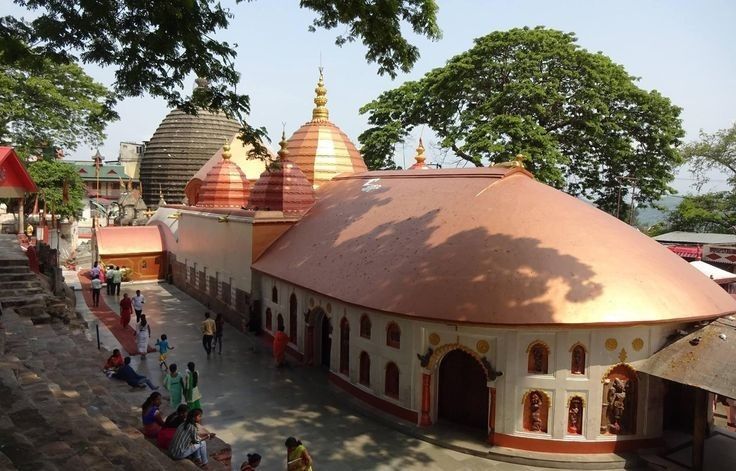
Kamakhya Temple Story | letsgoandtrip
Indian Temples

Kamakhya Temple Story

The Kamakhya Temple Story is one of the most powerful and mystical narratives in Hindu mythology. Located atop the Nilachal Hill in Guwahati, Assam, the Kamakhya Temple is among the most revered Shakti Peethas in India. Dedicated to Goddess Kamakhya, the temple symbolizes feminine power, creation, and fertility. Unlike most temples, Kamakhya Temple does not worship an idol but reveres the sacred yoni (womb), making its story unique and deeply spiritual. What is Kamakhya Temple? Kamakhya Temple is one of the most sacred temples in India. It is dedicated to Goddess Kamakhya, a powerful form of Goddess Shakti. Where Is Kamakhya Temple Located? State: AssamCity: GuwahatiLocation: Nilachal HillsNearest Airport: Lokpriya Gopinath Bordoloi International Airport (20 km)Nearest Railway Station: Guwahati Railway Station (8 km) Best Time to Visit: October to April Kamakhya Temple stands atop the scenic Nilachal Hills overlooking the Brahmaputra River, offering a peaceful atmosphere and panoramic views of Guwahati city. The Kamakhya Temple Story – Mythology and Legend The Tale of Goddess Sati and Lord Shiva Hindu mythology states that the temple represents the location where Goddess Sati’s womb and Yoni fell after Lord Vishnu severed her body with his Sudarshan Chakra. The holy Shakti Peethas were created when these pieces fell throughout the Indian subcontinent. Kamakhya is thought to stand for creation, fertility, and female strength. The Unique Ritual of Ambubachi Mela The Ambubachi Mela, which is held every year in June, is the temple’s most well-known event. It represents Goddess Kamakhya’s yearly menstruation, when the temple is closed for three days. Devotees are allowed to go inside following cleaning rites. Millions of pilgrims attend this event, which is frequently referred to as the “Mahakumbh of the East.     Why Kamakhya Temple is a Shakti Peetha Kamakhya Temple Story and the Yoni Peetha According to the Kamakhya Temple Story, the yoni (womb) of Goddess Sati fell at the Nilachal Hill. Because of this, Kamakhya Temple is also known as the Yoni Peetha. Unlike other temples: There is no idol of the goddess The temple worships a natural stone yoni A natural spring flows inside the sanctum This makes Kamakhya Temple unique and powerful. Meaning of Goddess Kamakhya Who is Goddess Kamakhya? Goddess Kamakhya represents: Desire Creation Fertility Motherhood In the Kamakhya Temple Story, she is seen as the goddess who fulfills wishes and gives life energy. The name Kamakhya means: Kama – Desire Akhya – Name So, Kamakhya means “the goddess who fulfills desires.” History of Kamakhya Temple Ancient History The original temple is believed to be more than 2000 years old. It was destroyed during invasions and natural disasters. Reconstruction of the Temple The present structure of Kamakhya Temple was rebuilt in the 16th century by King Naranarayan of the Koch dynasty. The temple architecture is a mix of: Nagara style Local Assamese design Kamakhya Temple Story and Tantric Worship Center of Tantra The Kamakhya Temple Story is deeply connected with Tantra. This temple is one of the most important centers of Tantric practices in India. Tantra believes in: Power of the feminine energy Balance between body and mind Spiritual awakening Many Tantric sadhus visit Kamakhya Temple to gain spiritual power. Why Temple Closes During Ambubachi During Ambubachi: No worship is done Farming is stopped Devotees wait for blessings after reopening   Inside Kamakhya Temple Sanctum Sanctorum There is a stone yoni A natural water spring flows over it The area is dark and mystical Ambubachi Mela – A Unique Festival Story Behind Ambubachi Mela  One of the most famous events related to the Kamakhya Temple Story is Ambubachi Mela. It is believed that: Goddess Kamakhya undergoes menstruation once a year During this time, the temple remains closed for three days After that, the temple reopens with celebrations This festival represents: Fertility Respect for womanhood Power of creation Architecture and Temple Structure Kamakhya Temple showcases a distinctive blend of Hindu, Tantric, and Nilachal architectural styles. Key Architectural Features Beehive-shaped Shikhara (tower) Intricate carvings depicting gods, goddesses, and mythological scenes Garbhagriha (sanctum) with no idol—only a rock fissure worshipped as the Goddess Natural underground spring forming holy water Unlike traditional temples, Kamakhya worship focuses on the Yoni-shaped rock rather than statues.   Spiritual Significance of Kamakhya Temple Center of Tantra Worship Kamakhya is considered one of India’s most important centers for Tantric practices. Many Tantric saints and practitioners visit the temple for meditation and rituals. Symbol of Feminine Power The temple honors the divine feminine energy (Shakti) and celebrates the idea of fertility, creation, and womanhood. Must-See Attractions Near Kamakhya Temple Bhubaneswari Temple Located above Kamakhya, offering panoramic views of Guwahati.   Umananda Temple A riverside Shiva temple situated on Peacock Island in the Brahmaputra.   Assam State Zoo Ideal for family visits and wildlife lovers.   Srimanta Sankardev Kalakshetra A cultural center showcasing Assam’s heritage. Travel Tips for Visiting Kamakhya Temple Best Time Visit early morning to avoid long queues. Dress Code Wear modest, comfortable clothing suitable for temple premises. Accessibility The temple involves climbing steps; elderly visitors may use local transport services that drop close to the entrance. Conclusion The Kamakhya Temple is a powerful mix of spiritual energy, tradition, and mythology. It is one of India’s unique pilgrimage sites because of its rich history, famous festivals, and sacred significance. The temple provides an unforgettable journey into ancient Indian spirituality, regardless of your reason for visiting—faith, culture, or history. FAQs- Frequently Asked Questions Q.1 Why is the Kamakhya Temple considered so powerful? The temple is believed to house the Shakti of creation and feminine energy. Devotees believe that worshipping here grants blessings related to fertility, spiritual awakening, protection from negative energies, and fulfillment of desires. Q.2 Is there an idol inside Kamakhya Temple? No. Unlike other temples, Kamakhya Temple does not have a traditional idol. Instead, it houses a natural underground rock cleft symbolizing the Goddess’s womb, which is worshipped as the main deity. Q.3 What is the Kamakhya Temple story?

Top Maharashtra Hill Stations | letsgoandtrip
Hill Stations

Top Maharashtra Hill Stations

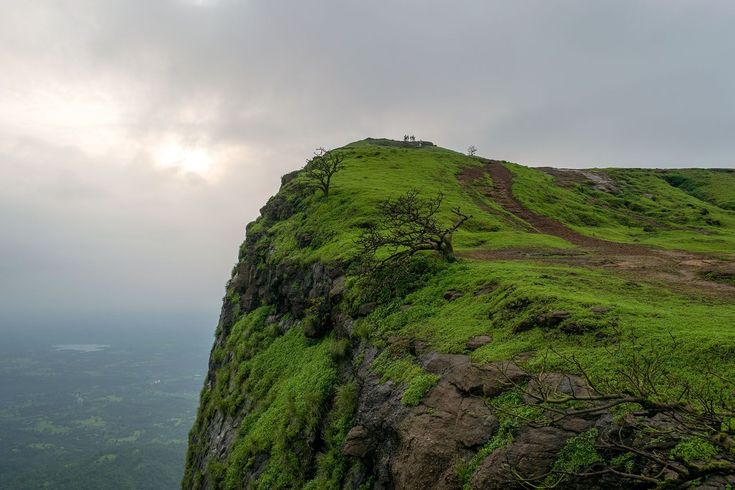
Top Maharashtra Hill Stations | letsgoandtrip Discover the top hill stations in Maharashtra, such as Matheran, Panchgani, Igatpuri, Lonavala, and Mahabaleshwar. Learn about the best times to visit these beautiful mountain retreats, as well as the top attractions, weather, and travel advice. Some of India’s most beautiful hill stations, including misty mountains, verdant valleys, ancient forts, tranquil lakes, and picturesque vistas, can be found in Maharashtra. These hill retreats offer tranquilly, adventure, and breathtaking scenery, whether you’re planning a short weekend trip or an extended vacation. Why Visit the Top Maharashtra Hill Stations? The top Maharashtra hill stations are known for their pleasant climate, breathtaking views, waterfalls, forts, and peaceful surroundings. Located close to major cities like Mumbai and Pune, these destinations are ideal for short and long trips alike. Key reasons to visit: Cool and pleasant weather Stunning viewpoints and nature trails Ideal for couples, families, and solo travelers Budget-friendly travel options Perfect for weekend getaways Lorem ipsum dolor sit amet, consectetur adipiscing elit. Ut elit tellus, luctus nec ullamcorper mattis, pulvinar dapibus leo. Top Hill Stations in Maharashtra You Must Visit Lonavala The Jewel of the Sahyadris Lonavala is one of the most popular hill stations in Maharashtra, known for its waterfalls, caves, lakes, and greenery. It’s a perfect weekend getaway from Mumbai and Pune.   Best Places to Visit in Lonavala Bhushi Dam – A monsoon hotspot Tiger’s Leap – Cliff-top viewpoint Rajmachi Fort – Trekking paradise Karla & Bhaja Caves – Ancient Buddhist heritage Best Time to Visit June to September for lush views and waterfalls. Mahabaleshwar Queen of Maharashtra Hill Stations Mahabaleshwar is famous for strawberries, ancient temples, serene lakes, and breathtaking viewpoints. Top Attractions in Mahabaleshwar Venna Lake – Boating and horse riding Arthur’s Seat – Known as the “Queen of Points” Mapro Garden – Must-visited for strawberry delights Pratapgad Fort – Historical landmark Best Time to Visit October to June for pleasant weather. Matheran Matheran Asia’s Only Vehicle-Free Hill Station Matheran offers an eco-friendly escape with red-soil paths, dense forests, and panoramic viewpoints. The toy train ride is a key attraction. Major Attractions in Matheran Louisa Point Panorama Point Echo Point Charlotte Lake What Makes Matheran Unique? No cars allowed—fresh, unpolluted air Old-world charm and peaceful nature trails Panchgani The Land of Five Plateaus Panchgani is a serene hill station popular for boarding schools, table-top mountains, strawberry farms, and scenic beauty. Places to Visit in Panchgani Table Land – Asia’s second-longest mountain plateau Sydney Point – Sunset viewpoint Parsi Point – Krishna Valley views Devrai Art Village – Craft and culture Best Time to Visit September to May Igatpuri   A Hidden Gem in the Western Ghats Igatpuri is known for its foggy landscapes, trekking trails, waterfalls, and the famous Vipassana Meditation Center. Must-See Spots in Igatpuri Bhatsa River Valley Camel Valley Viewpoint Tringalwadi Fort Kalsubai Peak – Highest peak in Maharashtra Ideal for Nature lovers, trekkers, and those seeking meditation retreats. Bhandardara A Paradise for Nature Lovers Bhandardara is a peaceful hill station known for pristine lakes, forts, and forests. Top Attractions Arthur Lake Ratangad Fort Umbrella Falls Randha Falls Perfect for monsoon and winter travel. Chikhaldara The Only Coffee-Growing Region in Maharashtra Chikhaldara in the Vidarbha region is rich in wildlife, viewpoints, and cool climate throughout the year. Gawilgad Fort Melghat Tiger Reserve Bhimkund Sunset Point Great for wildlife lovers and photographers. Best Time to Visit Maharashtra Hill Stations Season What to Expect Best Hill Stations Summer (March–June) Pleasant weather Mahabaleshwar, Panchgani, Matheran Monsoon (June–September) Waterfalls, greenery Lonavala, Igatpuri, Bhandardara Winter (Oct–Feb) Cool & romantic Chikhaldara, Mahabaleshwar, Igatpuri Travel Tips for Visiting Hill Stations in Maharashtra Travel Essentials Carry light woolens in winter Wear comfortable trekking shoes Book hotels early during monsoon and weekends Safety Tips Avoid slippery trails during heavy rain Keep power banks and emergency kits handy Follow local guidelines for eco-sensitive areas Conclusion A perfect mix of adventure, relaxation, and natural beauty can be found in Maharashtra hill stations. These hill locations offer something for everyone, whether you like misty mornings, peaceful lakeside settings, exhilarating hikes, or just getting away from the bustle of the city. FAQs- Frequently Asked Questions Q.1 What are the top hill stations in Maharashtra? Some of the top hill stations in Maharashtra include Lonavala, Mahabaleshwar, Matheran, Panchgani, Igatpuri, Bhandardara, and Amboli. Q.2 Which is the best hill station in Maharashtra? Mahabaleshwar is considered the best hill station in Maharashtra due to its pleasant climate, scenic viewpoints, and strawberry farms. Q.3 Which hill stations in Maharashtra are near Mumbai? Lonavala, Matheran, Igatpuri, and Karjat are popular hill stations near Mumbai, ideal for short weekend trips. Q.4 Which hill stations in Maharashtra are near Pune? Lonavala, Lavasa, Panchgani, and Mahabaleshwar are the closest hill stations to Pune. Q.5 What is the best time to visit hill stations in Maharashtra? The best time to visit Maharashtra hill stations is from October to March, when the weather is cool and pleasant.

Top Temples of India Guide | LetsGiAndTrip
Indian Temples

Top Temples of India Guide | LetsGiAndTrip

Top Temples of India Guide | LetsGiAndTrip is your gateway to discovering India’s most sacred and historic temples. This detailed guide highlights spiritual experiences, architectural beauty, and cultural heritage, helping travelers explore divine destinations and connect with the timeless essence of India’s rich religious traditions and spiritual wisdom for all.      Popular Temples in India India is a country rich in religion, ancient culture, and magnificent temple architecture. Indian temples offer a divine fusion of history, faith, and art, from coastal wonders to Himalayan shrines. The most well-known temples in India that every tourist should see at least once are covered in this guide. Vaishno Devi Temple, Jammu & Kashmir Why It Is Famous Vaishno Devi is one of India’s most sacred pilgrimage sites, visited by millions of devotees every year. It is located in the Trikuta Mountains and requires a trek of nearly 12 km from Katra. Holy cave shrine dedicated to Mata Vaishno Devi Scenic mountain trek or helicopter services Spiritual atmosphere with chanting and rituals Best Time to Visit March to October is ideal due to pleasant weather. Kedarnath Temple, Uttarakhand Why It Is Famous Located in the Himalayas at an elevation of 3,583 meters, Kedarnath is one of the 12 Jyotirlingas of Lord Shiva. Its remote location and stunning beauty make it one of India’s most powerful spiritual destinations. Ancient stone temple surrounded by snow peaks Part of Char Dham pilgrimage Rebuilt after devastating floods with stronger infrastructure Best Time to Visit May to June and September to October. Tirupati Balaji Temple, Andhra Pradesh Why It Is Famous Tirupati Balaji (Sri Venkateswara Temple) is one of the richest and most visited temples in the world. Devotees believe that prayers here are always fulfilled. Over 50,000 visitors per day Famous for special laddu prasadam Rich traditions and powerful deity worship Best Time to Visit September to February for a smoother darshan. Kashi Vishwanath Temple, Varanasi Why It Is Famous One of the 12 Jyotirlingas, Kashi Vishwanath is located in Varanasi—the spiritual capital of India. Hindus believe that visiting this temple grants liberation (moksha). Historic temple dedicated to Lord Shiva Close to the sacred Ganga ghats Stunning Ganga Aarti experience nearby Best Time to Visit October to March. Jagannath Temple, Puri   Why It Is Famous This 12th-century temple is one of the Char Dham pilgrimage sites. It is widely known for the Rath Yatra festival when massive chariots carry the deities through the streets. Ancient Kalinga architecture Prasad (Mahaprasad) prepared in the world’s largest kitchen Rath Yatra draws millions of devotees annually Best Time to Visit During Rath Yatra (June–July) or winter season. Meenakshi Amman Temple, Tamil Nadu Why It Is Famous Located in Madurai, this temple is an architectural masterpiece dedicated to Goddess Meenakshi and Lord Sundareswarar. 14 colorful gopurams with thousands of sculptures 2,500-year-old historic significance Celebrated Meenakshi Thirukalyanam festival Best Time to Visit October to March. Golden Temple (Harmandir Sahib), Amritsar Why It Is Famous A sacred Sikh pilgrimage site, the Golden Temple symbolizes equality, peace, and community service. It is visited by people from all religions. Beautiful gold architecture surrounded by water Langar (free community kitchen) serving thousands daily Spiritual ambience with continuous Gurbani Best Time to Visit November to March. Somnath Temple, Gujarat Why It Is Famous One of the 12 Jyotirlingas, Somnath has been rebuilt multiple times after invasions. Its sea-facing location adds to its divine charm. Ancient temple with rich history Sound & light show in the evening Beautiful Arabian Sea views Best Time to Visit October to February. Badrinath Temple, Uttarakhand Why It Is Famous Badrinath Temple, dedicated to Lord Vishnu, is one of the Char Dham pilgrimage sites. Nestled in the Himalayas at 3,100 meters, it is believed to be the place where Vishnu meditated while Lakshmi protected him as a Badri tree. Vibrant colorful facade Tapt Kund hot springs nearby Spiritual atmosphere with mountain views Best Time to Visit May to November. Akshardham Temple, Delhi Why It Is Famous Akshardham is a modern-day architectural masterpiece showcasing Indian culture, spirituality, and art. Built from pink sandstone and white marble, it attracts tourists from all over the world. Spectacular light and water show Detailed carvings and sculptures Exhibition halls and cultural boat ride Best Time to Visit October to March. Siddhivinayak Temple, Mumbai Why It Is Famous Dedicated to Lord Ganesha, this temple is known for fulfilling wishes. Celebrities, politicians, and devotees visit regularly to seek blessings. 200-year-old iconic Ganesha statue Weekly crowds on Tuesdays Situated in the heart of Mumbai city Best Time to Visit Throughout the year; avoid Tuesday rush. Padmanabhaswamy Temple, Kerala Why It Is Famous Known as one of the richest temples in the world, Padmanabhaswamy Temple in Thiruvananthapuram is famous for its secret vaults and grand Dravidian architecture. It’s dedicated to Lord Vishnu reclining on the serpent Anantha. Mysterious treasure chambers Strict dress code Intricate stone carvings   Best Time to Visit October to February. Mahakaleshwar Temple, Ujjain Why It Is Famous This temple houses one of the most revered Jyotirlingas of Shiva. The daily Bhasma Aarti, performed with sacred ash, is a unique ritual unmatched anywhere else in the world. Early morning Bhasma Aarti Situated on the banks of Shipra River One of the seven sacred Mukti-Sthal cities Best Time to Visit October to March. Kamakhya Temple, Assam Why It Is Famous Located on the Nilachal Hills of Guwahati, Kamakhya is one of the most important Shakti Peeths. It is known for the unique Ambubachi festival that celebrates feminine power and fertility. Ancient tantric pilgrimage site Hilltop views of Guwahati city Annual Ambubachi Mela draws thousands Best Time to Visit November to March. Lingaraj Temple, Odisha Why It Is Famous A masterpiece of Kalinga architecture, Lingaraj Temple in Bhubaneswar is dedicated to Lord Shiva. It is believed to be more than 1100 years old and represents the city’s spiritual identity. Beautiful red sandstone structure 150+ small shrines inside the complex Famous during Mahashivratri Best Time to Visit October to March. Shore

Snow Places in India | LetsGoAndTrip
Indian Snow Places

Snow Places in India | Lets Go And Trip

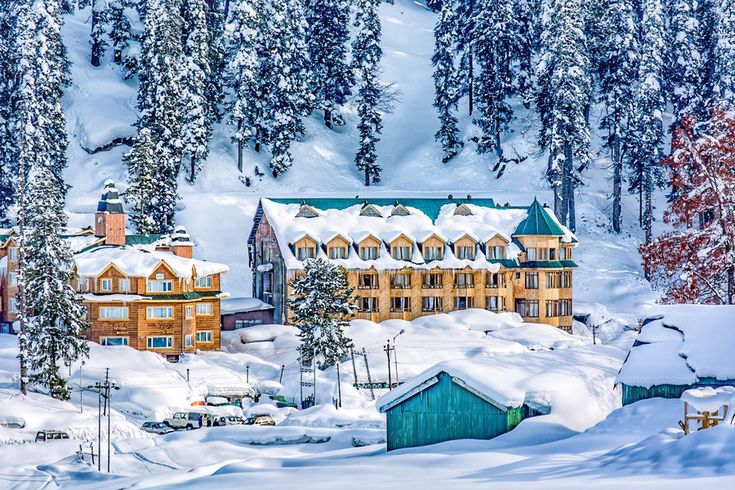
Some of the most breathtaking scenery can be seen in India during the winter, including pine forests, snow-covered mountains, frozen lakes, and stunning valleys. This comprehensive guide by Snow Places in India | LetsGoAndTrip will help you plan an unforgettable winter getaway, experience snowfall, and enjoy winter adventures. This guide will assist you in selecting the ideal snowy retreat, whether you enjoy skiing, beautiful road trips, snowy treks, or just taking in the beauty of winter. Best Snow Places in India for a Winter Trip Shimla – A Classic Snow Destination During the winter, Shimla continues to be one of India’s most popular snow places. The hill station, which is covered in fresh snow, provides easy access to snow sports in Kufri, lovely views, toy train rides, and walks along Mall Road. Manali – A Paradise for Snow Lovers Some of North India’s heaviest snowfall occurs in Manali and the Solang Valley. Manali is a top spot on the Snow Places in India | LetsGoAndTrip winter list because of its breathtaking pine forests, cable cars, paragliding, and skiing. Gulmarg – India’s Skiing Capital Gulmarg is well-known for its top-notch gondola rides and slopes. It is one of the best places in India to experience a true winter wonderland because of the thick snow carpets and Himalayan backdrop. Auli – The Perfect Winter getaway Auli is famous for the amazing views of the Himalayas, smooth ski slopes, and cable car rides. Both beginner and expert skiers seeking a peaceful snow vacation will find it perfect. Leh–Ladakh – For Extreme Winter Adventures   In the winter, Ladakh becomes a snow-covered desert with ice trekking routes and frozen rivers. It’s wonderful for adventurers because it has some of India’s coldest snow. Hidden Snow Places in India You Must Visit Tawang – A Peaceful Snow Retreat Located in Arunachal Pradesh, Tawang offers heavy snowfall, frozen lakes, high-altitude passes, and serene monasteries.   Chopta – Mini Switzerland of India Chopta is a serene and lovely winter destination because of its snow-covered forests, meadows, and hiking trails. Sonmarg – The Meadow of Gold Sonmarg is one of India’s greatest snow destinations, especially in the early winter, with its glaciers, snow paths, and majestic peaks. Best Time to Visit Snow Places in India The ideal time to experience snowfall is: December to February (peak winter) Early snowfall begins in late November in Auli, Gulmarg & Manali Ladakh remains snowy almost all year in high-altitude areas For guaranteed snow, plan your trip between late December and early February. Top Activities to Enjoy in Snow Places in India Skiing & Snowboarding Destinations like Gulmarg and Auli offer certified ski courses and safe slopes for beginners. Snow Trekking Kedarkantha, Chadar Trek, and Hampta Pass are top picks for winter trekking lovers.   Sledding & Snow Play Perfect for families—sled rides, snowman building, and snowball fights.   Scenic Photography India’s winter landscapes create stunning backdrops for travel photography and videography. How to Reach Popular Snow Places in India By AirNearest airports: Delhi, Srinagar, Chandigarh, Dehradun, and Leh depending on destination. By TrainMajor stations: Kalka, Jammu Tawi, Kathgodam, Pathankot, and Chandigarh. By RoadHimachal & Uttarakhand are connected by smooth highways, though road conditions may change during heavy snowfall. Travel Tips for Visiting Snow Places in India Carry Proper Winter Gear Thermals, woolens, gloves, snow boots, and warm jackets are essential. Check Weather & Road Updates Winter storms or snowfall may temporarily block roads—stay updated. Keep Your Electronics Warm Cold weather drains batteries quickly; carry power banks and warm pouches. Book in Advance Hotels and transport fill up fast during winter months. With so many breathtaking snow places in India, winter travel becomes a magical experience. This guide from Snow Places in India | LetsGoAndTrip helps you choose the perfect destination, plan your itinerary, and enjoy a memorable snowy holiday filled with adventure, beauty, and unforgettable moments. FAQs- Frequently Asked Questions Q1. Which are the best snow places in India to visit in winter? Manali, Shimla, Gulmarg, Auli, Sonmarg, and Tawang are some of India’s top snow destinations. Heavy snowfall, winter sports, and stunning snowy scenery can be found at these locations. Q2. When is the best time to see snowfall in India? In India, the best months to see snowfall are December through February, with late December and January seeing the most snowfall. Q3. Which snow place in India is best for skiing? Gulmarg and Auli are the top skiing destinations in India, offering smooth slopes, ski training, and breathtaking Himalayan views. Q4. Is Manali a good place to visit for snow? Yes, two of India’s most well-liked snow destinations are Manali and Solang Valley. They have a lot of snowfall and provide cable car rides, skiing, and sledding. Q5. Which places in India get early snowfall? Destinations like Gulmarg, Auli, and higher regions of Himachal and Uttarakhand often receive early snowfall from late November. Q6. Is it safe to travel to snow destinations during heavy snowfall? It is generally safe, but road conditions may change during storms. Always check weather updates, carry snow chains if driving, and follow local advisories.

Top Maharashtra Hill Stations | letsgoandtrip
India Travels

Lonavala in India Travel Guide | Lets Go and Trip

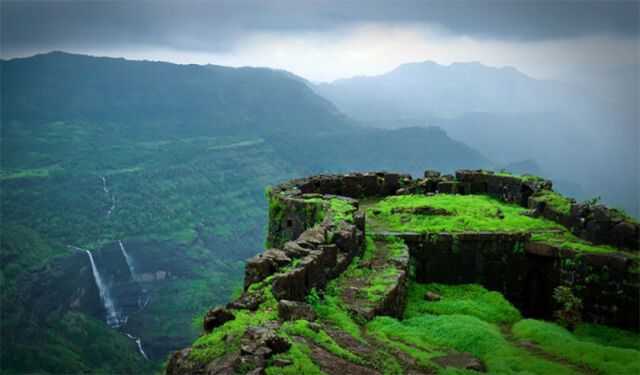
Lonavala in India Travel Guide | Lets Go and Trip Welcome to the Lonavala in India Travel Guide | Let’s Go and Trip, your one-stop shop for discovering this breathtaking hill station. With its picturesque vistas, waterfalls, and caverns, Lonavala is the ideal getaway for adventurers and nature lovers. Top Places to Visit – Lonavala Travel Guide There are many historical sites and stunning natural areas in Lonavala. The top sights from the Lonavala in India Travel Guide | Let’s Go and Trip are listed here. Tiger’s Leap – Lonavala Guide A dramatic cliff-edge viewpoint offering panoramic valley views. It’s one of the highlights mentioned in the Lonavala in India Travel Guide | Let’s Go and Trip. Bhushi Dam – Lonavala Guide   Bhushi Dam is a popular monsoon hotspot featured in the Lonavala in India Travel Guide | Lets Go and Trip. Known for its flowing steps, relaxing waters, and vibrant atmosphere, it’s a perfect place to unwind with family and friends. Surrounded by lush greenery and scenic hills, Bhushi Dam offers a refreshing break from city life and adds a fun, memorable stop to your Lonavala travel experience.         Rajmachi Fort – Lonavala Guide  India Travel Guide | Lets Go and Trip lists Rajmachi Fort as one of the must-see sights in Lonavala. This historic fort, which is surrounded by verdant valleys, provides sweeping views, beautiful hiking paths, and an insight into Maratha heritage. Rajmachi Fort is the ideal combination of nature, culture, and exploration, adding an unforgettable experience to your trip to Lonavala, whether you’re an adventure seeker or a history buff.    Lonavala Lake – Lonavala Guide Lonavala Lake is a peaceful spot highlighted in the Lonavala in India Travel Guide | Lets Go and Trip. Surrounded by hills and greenery, it offers calm waters, beautiful sunsets, and a refreshing atmosphere. It’s an ideal place for relaxation, photography, and enjoying Lonavala’s natural charm.         Karla & Bhaja Caves – Lonavala Guide   Karla and Bhaja Caves are ancient Buddhist rock-cut wonders featured in the Lonavala in India Travel Guide | Lets Go and Trip. Known for their intricate carvings, historic chaityas, and peaceful surroundings, these caves offer a deep dive into early Buddhist architecture. They’re ideal for history lovers, explorers, and culture seekers.         How to Reach – Lonavala Travel Guide By Road: Because Lonavala is located on the Mumbai–Pune Motorway, driving is easy and picturesque. Mumbai is about 83 km away, and Pune is about 65 km away. Tourist coaches, private passengers, and MSRTC regular buses all operate regularly. You can also drive or book a cab for a comfortable journey. By Train: One of the main stops on the Mumbai–Pune route is Lonavala Railway Station. Lonavala is connected to both cities by a number of local and express trains. After arriving at Pune Junction or Mumbai’s main stations, visitors from other states can take a connecting train to Lonavala. By Air: The closest airports are Chhatrapati Shivaji Maharaj International Airport in Mumbai (about 90 km away) and Pune International Airport (about 70 km away). Taxis, buses, and rental cars are easy ways to get to Lonavala from either airport. Where to Stay – Lonavala Travel Guide Luxury Resorts – Lonavala Premium stays with pools, views, and modern amenities. Della Resorts Fariyas Resort The Machan Amanzi Resort Budget Stays – Lonavala Affordable hotels and homestays for budget travelers. Kumar Resort Serenity Resort Hotel Aristro Strand Resort Private Villas – Lonavala Great for families and groups looking for privacy. Nostravila Alluring Villa Infinity Villa Leela’s Cottage What to Eat – Lonavala Travel Guide Famous Chikki – Lonavala A must-try snack widely featured in every Lonavala guide. H3: Local Cuisine – Lonavala Try misal pav, vada pav, poha, and thalipeeth. H3: Street Snacks – Lonavala Hot pakoras, corn, and chai—perfect during monsoon. Best Time to Visit – Lonavala Travel Guide Monsoon: Waterfalls at their peak Winter: Cool and ideal for sightseeing Summer: Great for resort stays Things to Do – Lonavala Travel Guide Trekking – Lonavala Rajmachi, Visapur, and Lohagad treks. H3: Waterfalls – Lonavala Explore Kune Falls and Bhivpuri Falls. H3: Pawna Camping – Lonavala Lakeside tents, bonfires, and stargazing. Hidden Gems in Lonavala Reverse Waterfall (Khopoli) Della Adventure Night Activities Duke’s Nose viewpoint Kataldhar Waterfall Tung Fort (less crowded trek) Adventure Activities in Detail Paragliding Rock climbing Ziplining ATV rides Horse riding Rappelling Bungee jumping Photography Spots & Tips Best sunrise points Best sunset points Nature photography spots Drone photography rules FAQs- Frequently Asked Questions Q1. What is Lonavala famous for? Lonavala is well-known for its stunning vistas, waterfalls, picturesque valleys, historic caves, hiking paths, and its signature dessert, Lonavala chikki. Q2. Which is the best time to visit Lonavala? The monsoon season (June–September) is the ideal time to visit Lonavala because of the waterfalls and lush vegetation, while the winter season (October–February) is ideal for sightseeing and cool weather. Q3, How many days are enough for a Lonavala trip? A 2-day trip is ideal to explore the main attractions. If you want to include trekking or Pawna Lake camping, then 3 days is perfect. Q4. Which are the must-visit places in Lonavala? Top places include: Tiger’s Leap, Bhushi Dam, Rajmachi Fort, Karla & Bhaja Caves, Lonavala Lake, Kune Waterfall.

Kalighat Temple Kolkata | LetsGIandTrip
Indian Temples

Kalighat Temple Kolkata | Lets go and Trip

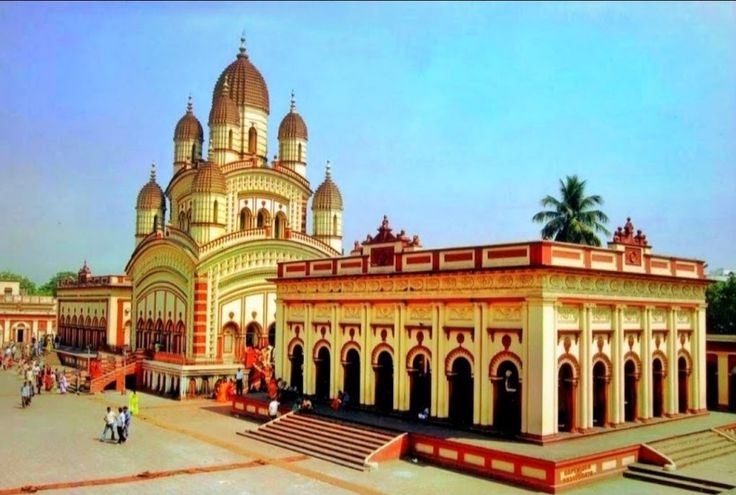
Kalighat Temple is one of the most sacred Shaktipeeths in India, attracting millions of devotees every year. In this guide by Kalighat Temple Kolkata | LetsGIandTrip, you will learn everything about its history, significance, travel tips, and what to expect during your visit. History of Kalighat Temple Kolkata Temple of Kalighat Ancient Hindu mythology has a strong historical connection to Kolkata. The location where Goddess Sati’s toes fell is regarded as one of the 51 Shaktipeeths. The location changed over centuries from a modest shrine to one of Kolkata’s most popular temples. The staff at Kalighat Temple Kolkata | LetsGIandTrip emphasises that this temple is an important spiritual landmark because it is referenced in numerous ancient texts. Significance of Kalighat Temple Kolkata in Hinduism Kalighat Temple In Kolkata, the fierce form of Shakti, the goddess Kali, is revered. It is believed that the temple will grant wishes, eliminate negativity, and give spiritual strength. In order to participate in powerful rituals and request blessings, devotees travel from all over India. Architecture of Kalighat Temple Kolkata The temple is built in traditional Bengali architectural style, featuring: A tri-ratna design A unique stone idol of Goddess Kali Golden tongue and silver hands Sacred Kundupukur tank According to Kalighat Temple Kolkata | LetsGIandTrip, the idol here is unlike any form of Kali worshipped elsewhere in India. Temple Timings of Kalighat Temple Kolkata The temple remains open throughout the week. Daily Timings of Kalighat Temple Kolkata Morning: 5:00 AM – 2:00 PM Evening: 5:00 PM – 10:30 PM Festival timings may vary depending on special pujas. Best Time to Visit Kalighat Temple Kolkata Kalighat Temple Kolkata can get very crowded, so planning your visit is important. Ideal Season to Visit Kalighat Temple Kolkata According to Kalighat Temple Kolkata | LetsGIandTrip, the best times are: Early morning for peaceful darshan Weekdays for avoiding long queues Winter months for comfortable weather Rituals and Offerings at Kalighat Temple Kolkata Kalighat Temple Kolkata is famous for its powerful rituals performed daily. Important Rituals at Kalighat Temple Kolkata Bhog offering Daily Aarti Special Kali Puja Bali (traditional offering, still done in a controlled manner) Charanamrit distribution Devotees offer hibiscus flowers, vermilion, sweets, and sarees to Goddess Kali. How to Reach Kalighat Temple Kolkata Metro Route to Kalighat Temple Kolkata Nearest Metro Station: Kalighat Metro Station Walking distance: 5 minutes Bus & Taxi Route to Kalighat Temple Kolkata Most South Kolkata buses stop at Kalighat. Taxis and autos are easily available as it’s a well-known landmark. Nearby Places to Visit Around Kalighat Temple Kolkata Victoria Memorial Alipore Zoo Rabindra Sarobar Lake Indian Museum Dakshineswar Temple Travel Tips for Visiting Kalighat Temple Kolkata Here are important tips from Kalighat Temple Kolkata | LetsGIandTrip: Avoid touts inside the temple Keep belongings safe Wear modest clothing Expect crowds during weekends and festivals Visit early morning for a peaceful experience Food and Shopping Near Kalighat Temple Kolkata Around the temple, you’ll find: Bengali sweets Street food like kochuri, ghugni, jilipi Puja item shops Souvenir stalls   Kalighat Temple Kolkata is a blend of devotion, history, culture, and spiritual power. Whether you’re a pilgrim or a traveler, the temple leaves a lasting impression. For more guides and travel inspiration, connect with Kalighat Temple Kolkata | LetsGIandTrip. FAQ- Frequently Asked Questions Q1. Where is Kalighat Temple located? The Kalighat Temple is situated close to the Adi Ganga River in Kalighat, in the southern region of Kolkata, West Bengal. Q2. Why is Kalighat Temple famous? The toes of Goddess Sati are said to have fallen at one of India’s 51 Shakti Peethas. It is also among the strongest temples devoted to the goddess Kali. Q3. What are the temple timings? The temple is generally open from: 5:00 AM – 2:00 PM 5:00 PM – 10:30 PM (Timings may vary on special occasions and festivals.) Q4. Is there an entry fee to visit Kalighat Temple? No, visiting the temple is free of cost. However, you may choose to give voluntary donations. Q5. How to reach Kalighat Temple? You can reach the temple via: Metro: Nearest station – Kalighat or Jatin Das Park Bus: Multiple buses stop near Kalighat Taxi/Auto: Easily available throughout Kolkata Q6.Is photography allowed inside the temple? Photography is not allowed inside the main temple premises for security and religious reasons. Q7. What are nearby attractions to visit? Nearby attractions include: Kalighat Art Market, Netaji Bhawan, Rabindra Sarobar Lake, Victoria Memorial.

India is home to some of the most breathtaking mountains in the world. From snow-capped peaks in the Himalayas to serene hills in the Western Ghats, exploring the Top Mountains in India – Letsgoandtrip offers adventure, natural beauty, and unforgettable experiences for travelers.
Hill Stations

Top Mountains in India – Lets go and trip

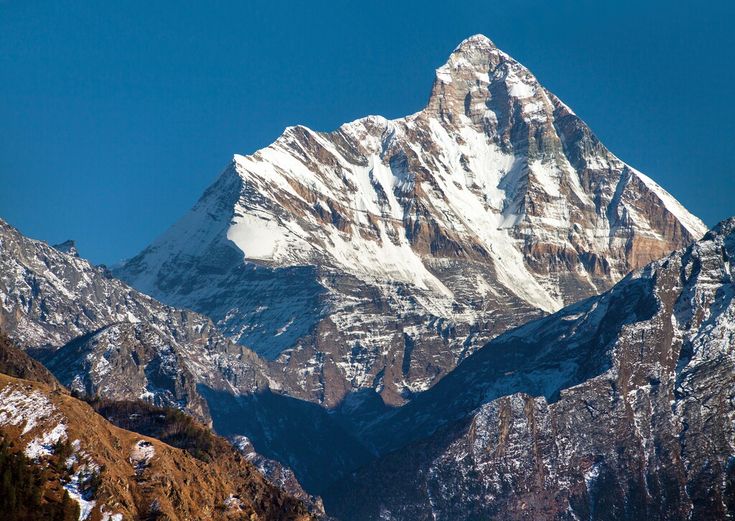
India is home to some of the most breathtaking mountains in the world. From snow-capped peaks in the Himalayas to serene hills in the Western Ghats, exploring the Top Mountains in India – Letsgoandtrip offers adventure, natural beauty, and unforgettable experiences for travelers. Famous Mountains in India to Explore Mount Everest Mount Everest is the world’s highest peak, located in the Himalayas, renowned for its challenging climbs and breathtaking views.     Kanchenjunga Kanchenjunga is the third-highest mountain in the world, located in the Himalayas, famed for its majestic peaks and stunning landscapes.     Nanda Devi Nanda Devi is the second-highest mountain in India, known for its towering peak, rich biodiversity, and breathtaking Himalayan scenery.     Rohtang Pass Rohtang Pass is a high mountain pass in Himachal Pradesh, known for its snow-covered landscapes, adventure activities, and panoramic Himalayan views.     Best Trekking Mountains in India Valley of Flowers Trek This trek in Uttarakhand offers breathtaking views of high-altitude meadows and peaks. A perfect addition to your journey of the Top Mountains in India – Letsgoandtrip.   Stok Kangri Trek Located in Ladakh, Stok Kangri is a popular trekking destination for adventure seekers. It’s a must-see peak on the list of Top Mountains in India – Letsgoandtrip.   Roopkund Trek Known for the mysterious skeletal lake, Roopkund Trek in Uttarakhand attracts trekkers from around the globe and is part of the Top Mountains in India – Letsgoandtrip experience. Scenic Hill Stations and Lesser-Known Mountains Matheran, Maharashtra A serene hill station surrounded by mountains, ideal for nature lovers exploring the Top Mountains in India – Letsgoandtrip.   Coorg, Karnataka Known as the Scotland of India, Coorg offers lush greenery and rolling mountains, making it a favorite in the Top Mountains in India – Letsgoandtrip list.   Wayanad, Kerala This Western Ghats destination is perfect for peaceful treks and waterfalls while enjoying the Top Mountains in India – Letsgoandtrip scenery. Why Explore the Top Mountains in India Adventure and Trekking: Many peaks offer challenging treks and mountaineering experiences. Scenic Beauty: From snow-capped mountains to green valleys, every mountain has a unique charm. Cultural Experience: Several mountains host local tribes, festivals, and spiritual sites. Photography Opportunities: Stunning landscapes make these mountains perfect for photography.   Travel Tips for Exploring Mountains in India Best Time to Visit The ideal time varies by region, but generally March to June and September to November are best for trekking and sightseeing in the Top Mountains in India – Letsgoandtrip. Packing Essentials Carry warm clothes, trekking shoes, water, and first-aid essentials for exploring the Top Mountains in India – Letsgoandtrip safely. Safety Tips Check weather conditions, hire local guides for high-altitude treks, and stay hydrated while exploring the Top Mountains in India – Letsgoandtrip. FAQ- Frequently Asked Questions Q1. Which is the highest mountain in India? At 8,586 meters, Kangchenjunga is the highest mountain in India and is situated near the border between Nepal and Sikkim. Q2. What are the most famous mountain ranges in India? India’s major mountain ranges include: Himalayas, Karakoram Range, Western Ghats, Eastern Ghats, Vindhya Range, Aravalli Range, Q3. Which mountains in India are best for trekking? Popular trekking mountains include: Nanda Devi (Uttarakhand), Stok Kangri (Ladakh), Kedarnath Peak (Uttarakhand), Mount Kanamo (Himachal Pradesh), Mount Kamet (Uttarakhand), Q4. What is the best time to visit the Himalayan mountains? Generally, March through June (spring–summer) and September through November (autumn) are the best times to go. Winters are bitterly cold and frequently unreachable. Q5.Which mountain destinations are ideal for family trips? Some family-friendly mountain spots include: Manali, Shimla, Mussoorie, Darjeeling, Gangtok. Q6. What activities can one do in the mountains of India? You can enjoy: Trekking & hiking, Camping, Skiing (Auli, Gulmarg), Mountain biking, Wildlife spotting, Photography, Meditation retreats,

Khajuraho Temple India | LetsGoAndTrip​
Indian Temples

Khajuraho Temple in India – Lets go and trip

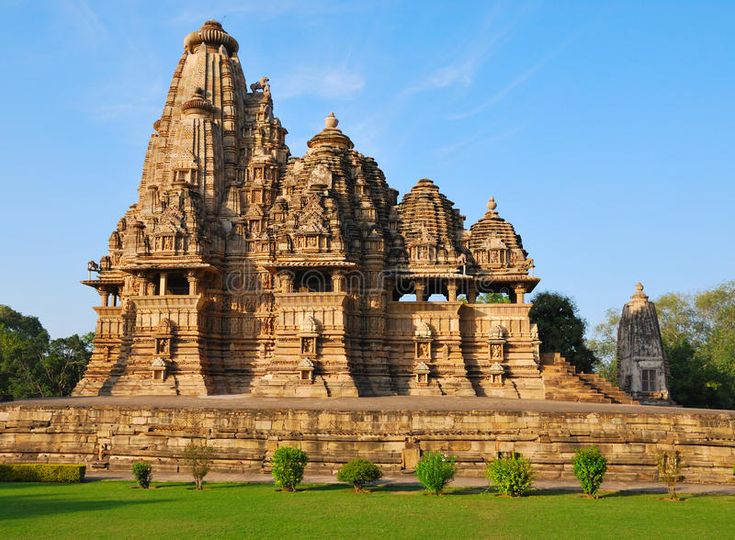
Khajuraho Temple India | LetsGoAndTrip Khajuraho Temple in India is one of the most famous UNESCO World Heritage Sites, known for its stunning architecture, intricate sculptures, and rich history. Located in Madhya Pradesh, these temples attract travelers from all over the world who are eager to witness the artistic brilliance of medieval India. If you are planning a cultural and historical trip, exploring Khajuraho Temple in India is a must. History of Khajuraho Temple in India Origins and Historical Background The temples of Khajuraho were built between the 9th and 12th centuries by the Chandela dynasty. These monuments were created to honor Hindu gods and goddesses, reflecting the spiritual and cultural richness of the period. Visiting Khajuraho Temple in India gives a glimpse into India’s ancient artistic and religious traditions. Significance in Indian Culture The temples are not only architectural marvels but also cultural symbols. They represent the celebration of life, devotion, and human emotions. Khajuraho Temple in India is often highlighted in history books and travel guides for its unique cultural significance. UNESCO World Heritage Status Recognized by UNESCO in 1986, Khajuraho Temple in India is protected as a World Heritage Site. Its preservation allows tourists to experience centuries-old art and architecture in their original glory. Architecture and Design of Khajuraho Temple in India Architecture in the Nagara Style The temples’ tall spires and finely carved exteriors are examples of North Indian architecture in the Nagara style. Among India’s historical sites, Khajuraho Temple stands out due to its unique style. Temple Structure and Layout Every temple in Khajuraho has a different design, typically with an entrance porch, a hall, and a sanctum. The architectural genius of the Chandela craftsmen is emphasised by the exact alignment and symmetry. Construction Methods and Materials The temples were mostly made of sandstone and were built without mortar. These buildings’ strength and complexity make India’s Khajuraho Temple a timeless representation of prehistoric engineering prowess. Sculptures and Art at Khajuraho Temple in India Erotic Sculptures and Symbolism One of the most famous aspects of Khajuraho Temple in India is its erotic sculptures. These carvings symbolize love, life, and spirituality, reflecting the open-minded approach of the medieval period. Mythological Depictions Apart from erotic art, the temples are adorned with depictions of gods, goddesses, musicians, dancers, and mythical creatures. These carvings tell stories from Hindu mythology and everyday life. Intricate Carvings and Artwork The exquisite carvings on the walls, ceilings, and pillars of Khajuraho Temple in India highlight the skills of master artisans. No two sculptures are identical, making every visit a unique experience. How to Reach Khajuraho Temple in India By Air Khajuraho has a small domestic airport with flights connecting major cities like Delhi and Varanasi. Visitors can reach Khajuraho Temple in India quickly and comfortably by air. By Train Khajuraho Railway Station connects the town to nearby cities. Trains are an economical and scenic way to reach Khajuraho Temple in India. By Road Good roads connect Khajuraho to cities like Jhansi, Bhopal, and Satna. Many travelers prefer road trips to explore nearby villages and landscapes on their way to Khajuraho Temple in India. Best Time to Visit Khajuraho Temple in India Summer and Winter Seasons The best time to visit Khajuraho Temple in India is between October and March when the weather is pleasant. Summers can be hot, but the early mornings and evenings are perfect for sightseeing. Festivals and Special Events The annual Khajuraho Dance Festival showcases classical Indian dance against the backdrop of the temples, making it an excellent time to visit Khajuraho Temple in India. Things to Do at Khajuraho Temple in India Explore Western, Eastern, and Southern Temples The Western Group of Temples is the most famous, but the Eastern and Southern groups also offer unique sculptures and peaceful surroundings. Exploring all groups is a must when visiting Khajuraho Temple in India. Photography and Sightseeing The intricate carvings, vibrant festivals, and surrounding landscapes make Khajuraho Temple in India perfect for photography and sightseeing. Local Market Visits Nearby markets sell handicrafts, souvenirs, and local artwork. It’s a great way to take a piece of Khajuraho Temple in India’s cultural heritage home with you. Tips for Visiting Khajuraho Temple in India Dress Code and Cultural Etiquette Visitors should dress modestly and respect the spiritual nature of Khajuraho Temple in India. Guide Services and Entry Tickets Hiring a local guide enhances your experience by providing detailed historical and cultural insights about Khajuraho Temple in India. Safety and Travel Tips Carry water, wear comfortable shoes, and plan your visit in the early morning or late afternoon to avoid crowds while exploring Khajuraho Temple in India. FAQs- Frequently Asked Questions Khajuraho Temple Q1. What is Khajuraho Temple famous for? The Chandela family built Khajuraho Temple, which is renowned for its magnificent Nagara-style architecture, elaborate carvings, and erotic sculptures. Q2. Where is Khajuraho Temple located? Khajuraho Temple is located in Madhya Pradesh, India, in Chhatarpur district. Q3. Why were the Khajuraho Temples built? The temples were built between 950–1050 AD by the Chandela kings to showcase spirituality, life, love, and the celebration of human emotions. Q4. How many temples are there in Khajuraho? Originally, there were 85 temples. Today, around 20 well-preserved temples remain. Q5. Is photography allowed inside Khajuraho Temples? Yes, photography is allowed in most areas, except inside some specific temple sanctums. Q6. Which is the main temple in Khajuraho? The Kandariya Mahadeva Temple is the largest and most famous temple in the Khajuraho complex.

Hill Stations

Good Hill Stations Near Delhi to Visit

If you’re planning a refreshing mountain escape, there are many good hill stations near Delhi to visit that offer cool weather, scenic beauty, and peaceful surroundings. Whether you want adventure, relaxation, or nature, these destinations are perfect for short trips and long vacations. Top Good Hill Stations Near Delhi to Visit Nainital Nainital is one of the best hill stations near Delhi, known for its scenic lake, pleasant weather, and peaceful mountain views.     Mussoorie Mussoorie is a popular hill station near Delhi, known for its refreshing climate, scenic waterfalls, and stunning Himalayan views.     Shimla Shimla is a famous hill station near Delhi, known for its colonial charm, pleasant weather, and picturesque mountain landscapes.     Manali Manali is a popular hill station near Delhi, known for its snow-capped mountains, adventure activities, and scenic valleys.     Lansdowne Lansdowne is a quiet hill station near Delhi, known for its serene surroundings, lush pine forests, and peaceful retreats.     Why These Are Good Hill Stations Near Delhi to Visit These hill stations offer clean air, cool climates, beautiful views, and a relaxing break from Delhi’s heat and crowds. Whether you want adventure sports, scenic nature walks, shopping, or photography, these are some of the best good hill stations near Delhi to visit. Best Time to Visit Good Hill Stations Near Delhi Summer Season (March–June) Ideal for sightseeing, boating, trekking, and enjoying pleasant weather. Monsoon Season (July–September) Greenery is at its peak, though some areas may have slippery roads. Winter Season (October–February) Perfect for snowfall lovers in Manali and Shimla. Overall, these are excellent hill stations near Delhi to visit during winter if you love cold weather. Things to Do at Good Hill Stations Near Delhi to Visit Enjoy Scenic Views Hill stations like Nainital and Mussoorie offer breathtaking sunrise and sunset views.   Adventure Activities Manali is popular for river rafting, paragliding, and trekking.   Local Shopping Markets in Shimla and Mussoorie offer handicrafts, woolens, and souvenirs.   Nature Walks Most destinations have peaceful trails perfect for nature lovers. Travel Tips for Visiting Good Hill Stations Near Delhi 1. Carry Appropriate Clothing Even in summer, nights can be chilly, so keep a light jacket. 2. Book Hotels in Advance Popular hill stations fill up fast during weekends and holidays. 3. Check Weather Conditions Snowfall and monsoon rains may cause delays, so plan accordingly. 4. Travel Safely If traveling by road, avoid late-night mountain routes. FAQs- Frequently Asked Questions Q1. What are the best hill stations near Delhi for a short trip? Some of the best nearby hill stations are: Mussoorie, Nainital, Shimla, Lansdowne, Kasauli. Q2. Which hill station is closest to Delhi? Lansdowne (around 270 km) and Kasauli (around 290 km) are among the nearest hill stations to Delhi. Q3. What is the best time to visit hill stations near Delhi? The best months are September through November (clear skies and mild weather) and March through June (pleasant summer weather). Winter travellers can enjoy the cold and sporadic snowfall in some areas from December to February. Q4. Which hill stations near Delhi receive snowfall? You can see snowfall in: Shimla, Mussoorie, Chopta (slightly farther), Auli (farther but reachable), Peak snowfall is usually between December and February. Q5. Which hill stations near Delhi are good for couples? Great romantic getaways include: Kasauli, Lansdowne, Mukteshwar, Chail. Q6. Are the roads to these hill stations safe? Although most routes are well-maintained, landslides can happen in some places during the monsoon season, which runs from July to September. Prior to travelling, it is advised to check the weather and road conditions.

Scroll to Top